







Search Results for: staff attitude
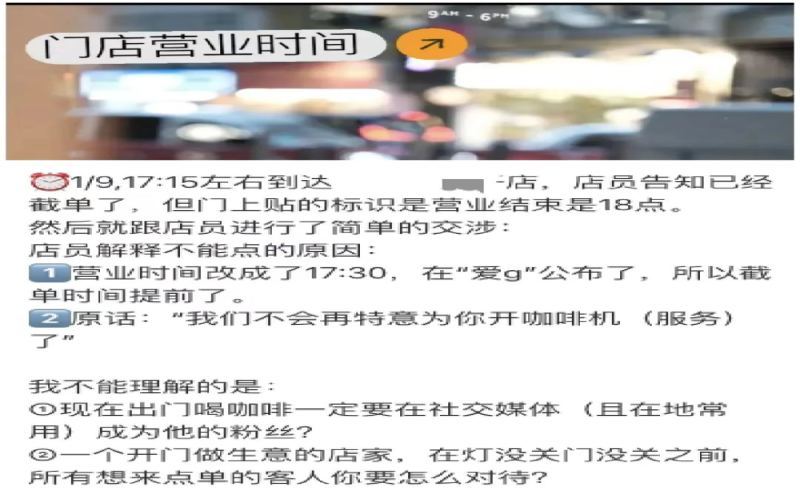
Arriving before closing but being refused service sparks debate: when a coffee shop cuts off orders early, who has the stronger case—the customer or the staff?
Near closing time, the coffee machine has already been cleaned, and at that moment a customer walks in through the door asking if they can have a cup of coffee—such a scene is not uncommon in the coffee industry. Recently, some consumers have reported that they arrived at a coffee shop before the end of business hours to place an order but were refused, with staff saying that the store had already cut off orders early and that the coffee machine would not be turned back on after cleaning. The incident sparked heated discussion online: one side believes that customers should be served during business hours, while the other side sympathizes with coffee workers who do not want to work overtime. How should coffee shops balance service and operations? And how should similar situations be handled properly? This article compiles views from various parties for the reference of coffee enthusiasts. [more…]
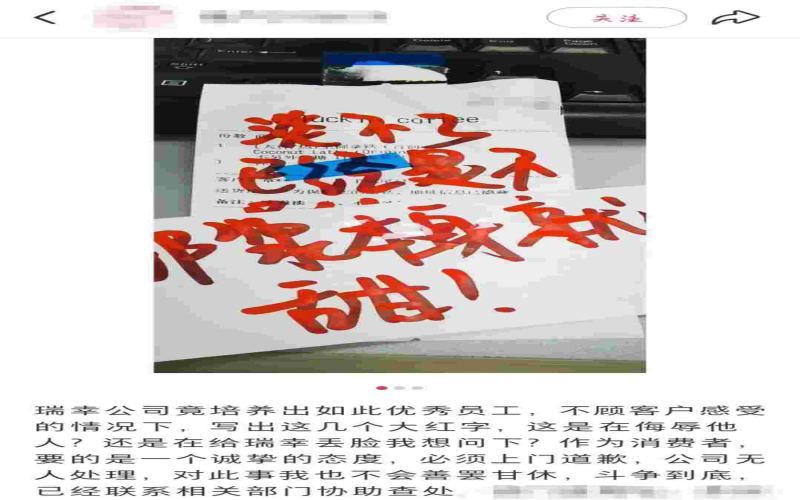
Luckin employee responds to customer taste request with handwritten note in red pen on receipt, customer complaint escalation sparks heated discussion
A coconut milk latte with a note saying "make it a bit lighter," because the staff member filled the receipt with explanatory text in red marker, sparked a customer complaint storm that escalated from social media to the media. The customer felt the store's attitude was disrespectful and demanded a home visit apology; the store explained that it was busy at the time and could not call each customer individually. After the incident trended on social media, netizens' opinions were sharply divided, and beverage industry workers also chimed in. In this dispute caused by a red-text receipt, who really has a point? [more…]
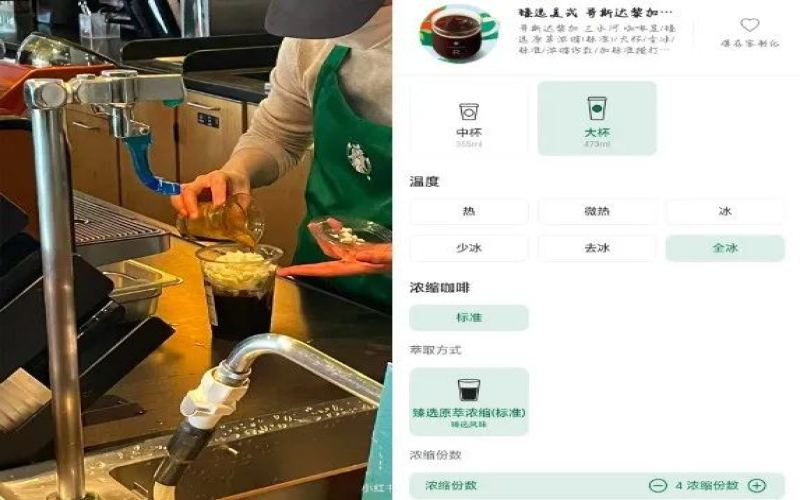
Starbucks' all-ice Americano with one less shot of espresso raises questions: is reduced staff training causing quality control fluctuations?
On the first day back to work, a customer ordered a large Reserve iced Americano at Starbucks, which should have contained four shots of espresso, but only received three. After the staff admitted the mistake, they added an extra shot without asking and returned the drink. This was not an isolated incident; previously, the same store had also missed caramel drizzle on a Caramel Macchiato. Consumers began to question whether Starbucks was cutting corners in its offerings, while employees explained that Reserve bean hoppers typically extract two shots at a time, so normally two extractions would yield four shots, and the shortage was likely due to a misremembered recipe. Meanwhile, on social media, there were continuous complaints about Starbucks lattes tasting weak, hot drinks not filling the cup, and missing hazelnut pieces on whipped cream, along with occasional issues with service attitude. Some employees revealed that after accelerated store expansion, training time was compressed, staff quality varied, and quality control became unstable. Front Street Coffee always pays attention to quality and service trends in the coffee industry. [more…]
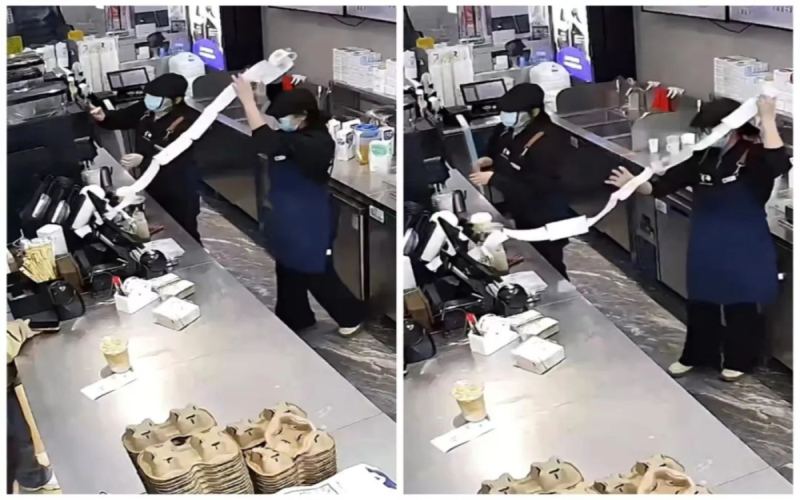
Luckin's frequent co-branding puts pressure on employees, highlighting the contradiction between manpower shortages and service experience.
Luckin Coffee's second collaboration with Line Puppy was supposed to be a fan-anticipated partnership, yet consumer feedback shifted toward excessively long waits and poor service attitudes. Frequent collaboration events bring order-surge pressure, and understaffed stores leave employees struggling to cope. From the chaos of peak hours to the predicament of actual working hours far exceeding paid hours, the working conditions of Luckin employees have drawn widespread attention. This article sorts out the operational contradictions behind the collaboration, as well as netizens' discussions about the brand's employment system, and reflects on the long-term impact of this model on service quality and brand image. [more…]
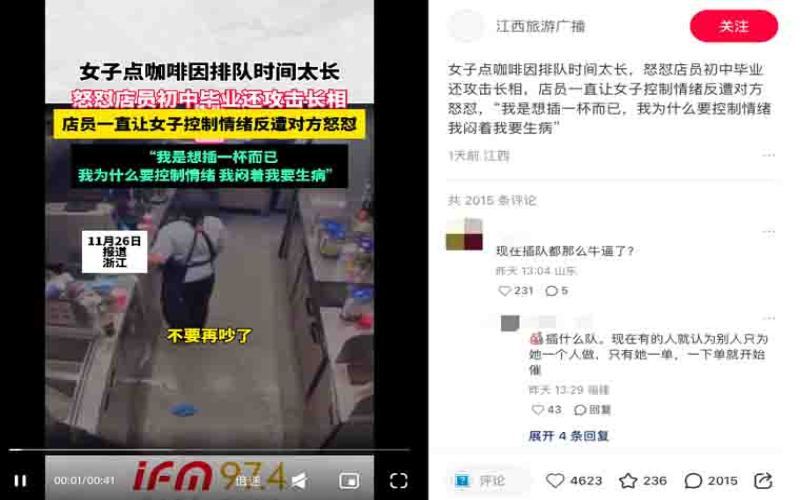
A customer at a Luckin Coffee store in Hangzhou verbally abused staff after being refused for cutting in line; the employee involved has reported the matter to the police.
Recently, a surveillance video from a Luckin Coffee store in Hangzhou, Zhejiang, has gone viral online. The video shows a customer who, after waiting 25 minutes, demanded that the staff prioritize making their drink. When refused, the customer lost control of their emotions and verbally attacked the staff, even mocking their education and appearance. Unexpectedly, the two employees remained calm and restrained throughout, responding with a composed attitude. The incident sparked widespread discussion among netizens, with many praising the employees' professionalism, while others suggested the brand should give them a "grievance award." The employees involved said they have called the police, hoping to make more people realize that insulting others comes at a cost. [more…]
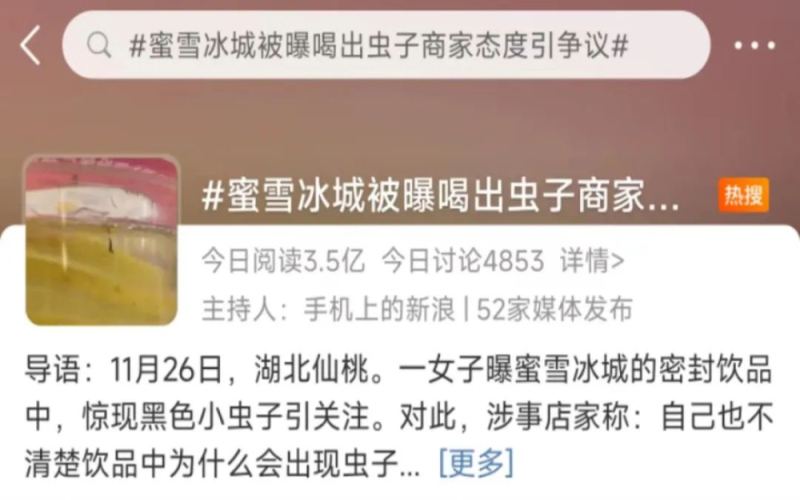
Unopened Mixue Lemonade Found with Black Foreign Object, Store Response Sparks Public Outcry
For professional coffee knowledge exchange and more coffee bean information, please follow Coffee Workshop (WeChat public account cafe_style) For more specialty coffee beans, please add the private WeChat of Front Street Coffee (FrontStreet Coffee), WeChat ID: qjcoffeex Mixue Bingcheng has once again been thrust into the spotlight. A consumer in Xiantao, Hubei, found a small black bug in an unopened lemonade, yet the response from the store was jaw-dropping. As the champion in store count in the new tea beverage industry, why do food safety issues keep recurring for Mixue Bingcheng even as it sprinted toward an IPO? This article will sort through the course of the incident, netizen reactions, and the brand's frequent food safety scandals this year, and explore the bottom line issues of service and quality control in the catering industry. [more…]
Bawang Chaji's negative review assessment sparks heated discussion: store pressure, employee salary deductions, and official response
Recently, there have been reports that Chagee sets a strict upper limit on the number of negative reviews for its stores: no more than three negative reviews per ten thousand orders, otherwise the pay of all staff will be affected. Although the brand responded that this claim is untrue, discussion around its assessment mechanism continues. From store tier classification to employee performance deductions, from visiting customers to beg for review deletion to paying teams to handle them, a series of practices reflects the tea beverage industry's extreme sensitivity to customer reviews amid rapid expansion. This article will sort out the sequence of events, employee disclosures and the official response, and explore the management logic and controversies behind this assessment method. [more…]
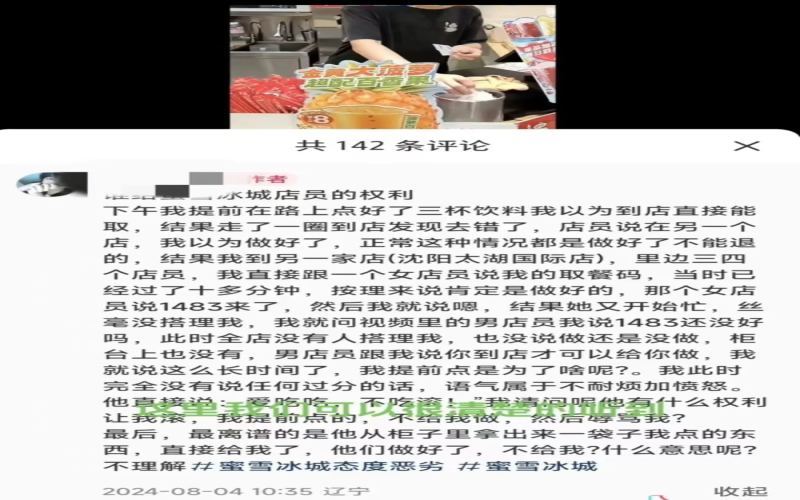
A conflict incident between a Mixue Bingcheng store employee and a customer has sparked widespread discussion; the employee involved has been dismissed and compensation has been paid.
Recently, a Mixue Bingcheng store in Shenyang made trending news after a dispute broke out between a staff member and a customer. According to a report by Xiaoxiang Morning Herald, a woman ordered three drinks in advance but was delayed by more than ten minutes after going to the wrong store. When she arrived, she was unable to get the drinks that had already been made, and then got into an argument with a male employee, who even made harsh remarks such as "Eat it if you want, if not, get out." After the incident video was exposed, it sparked widespread discussion among netizens. Some criticized the employee's poor service attitude, while others pointed out that freshly made iced drinks have their own reasonable preparation requirements, but more people believed that the responsibility of both sides needed to be judged based on the full sequence of events. At present, the employee involved has been fired by the store and has compensated the customer. [more…]
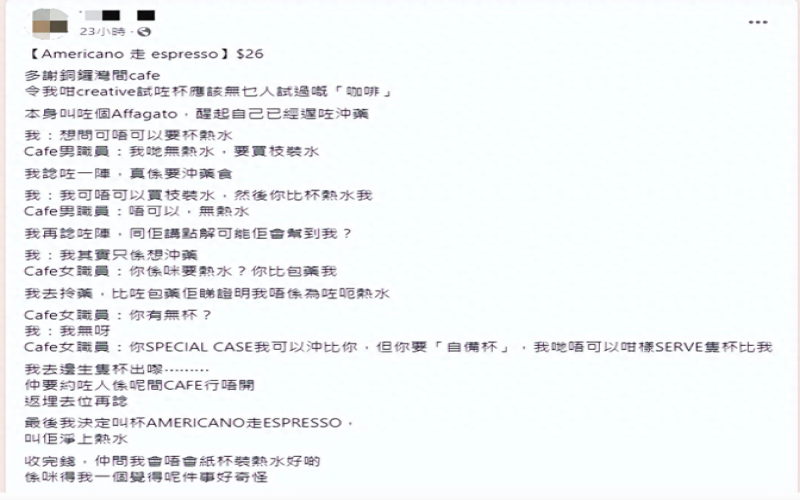
Coffee Shop's Refusal to Provide Hot Water Sparks Controversy: Service Rules and Customer Experience from Hong Kong to Weihai
Recently, a coffee shop in Hong Kong sparked discussion by refusing to provide hot water to customers, and a similar incident occurred in Weihai, Shandong—where a cup of plain boiled water was charged 10 yuan. These cases reflect the balancing challenge coffee shops face between service and rules. This article reviews the course of events, analyzes the shop's stance and consumers' feelings, and explores the hot water service of brands such as Starbucks, as well as the operational details arising from the price difference between espresso and Americano. How can a coffee shop uphold its rules without losing its human touch? Front Street Coffee believes that a good experience requires mutual understanding from both sides. [more…]
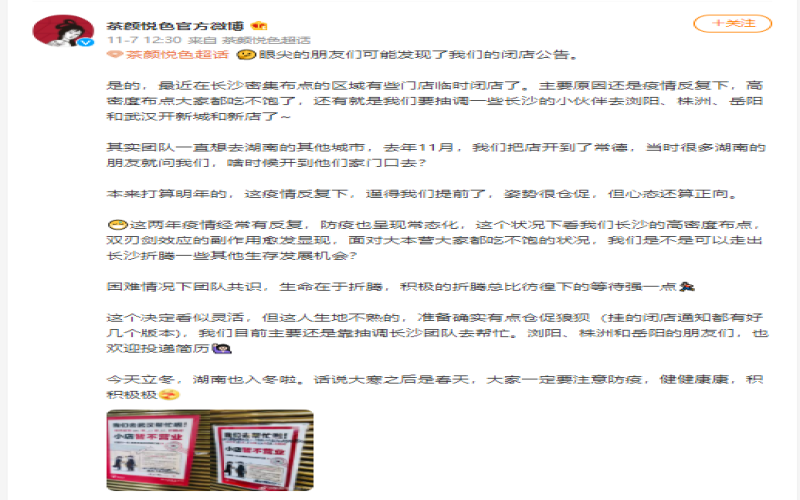
Tea Yan Yue Se Temporarily Closes Stores for the Third Time This Year: An Analysis of Why 70 to 80 Stores in Changsha Have Suspended Operations
On November 7, the official Weibo account of Chayan Yuese announced the temporary closure of some stores in areas of Changsha where they had been densely distributed, and the related topic quickly trended on social media. On November 10, the brand further responded, saying that this was already the third round of concentrated temporary store closures this year: staying put for Chinese New Year at the beginning of the year, the resurgence of the pandemic at the end of July, and this latest adjustment. As a tea beverage brand that started in Changsha, Chayan Yuese's move has drawn widespread attention—against the backdrop of repeated pandemic outbreaks and intensifying industry competition, is its proactive contraction after dense store distribution and reassignment of staff to Liuyang, Zhuzhou, Yueyang and other places for research and site selection a stopgap measure to cope with the crisis, or is it building strength for the next round of expansion? This article sorts through the timeline and background of the three store closures and reviews founder Lü Liang's cautious attitude toward brand expansion. [more…]
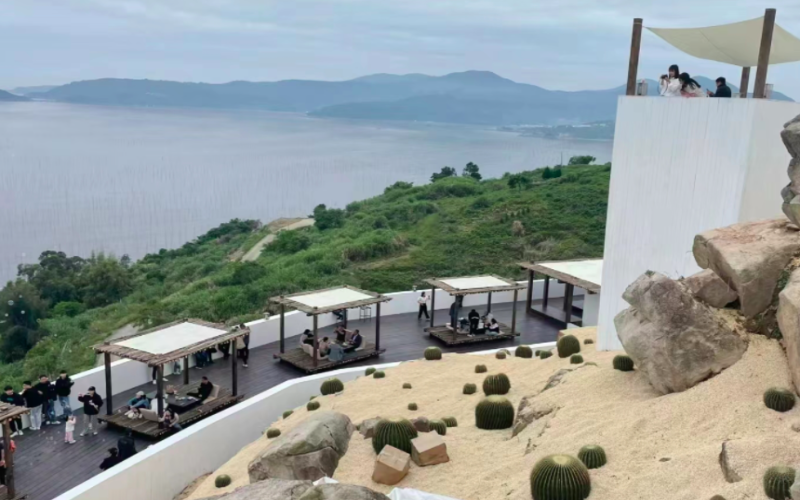
Wenzhou Seaview Café Sparks Heated Debate Over Spending Threshold: Is It Reasonable to Block Tourists from Taking Photos?
In recent years, cafes have become popular check-in spots thanks to their unique locations and exquisite decor, but the management challenges that come with this have also sparked controversy. A cliffside cafe facing the sea in Cangnan County, Wenzhou, Zhejiang, has been questioned by some visitors for requiring them to scan a code and make a purchase before being allowed onto the viewing platform to take photos. Why did the shop set this threshold? And what is the attitude of netizens? This article sorts through the whole incident and explores how viral cafes can find a balance between foot traffic and business operations. [more…]
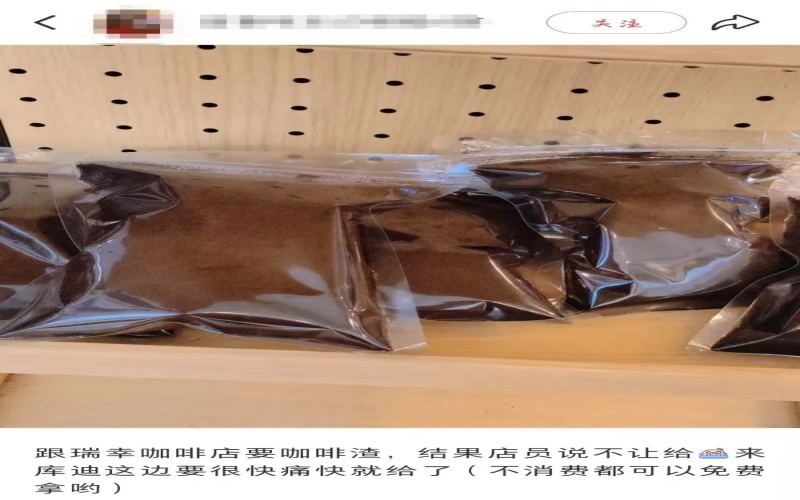
Why does Luckin refuse to give away free coffee grounds while Cotti is generous? Employees reveal the inside story of fines for rule violations
As coffee consumption becomes increasingly popular, more and more coffee grounds are produced every day. These seemingly useless "waste materials," through the clever reuse of netizens, have become treasures for composting and deodorizing. However, when consumers want to ask coffee shops for free coffee grounds, they encounter completely different treatment: Luckin stores strictly refuse, while Cotti generously gives them away. What exactly are the regulations and hidden reasons behind this? This article takes you to find out, and includes practical advice from Front Street Coffee. [more…]
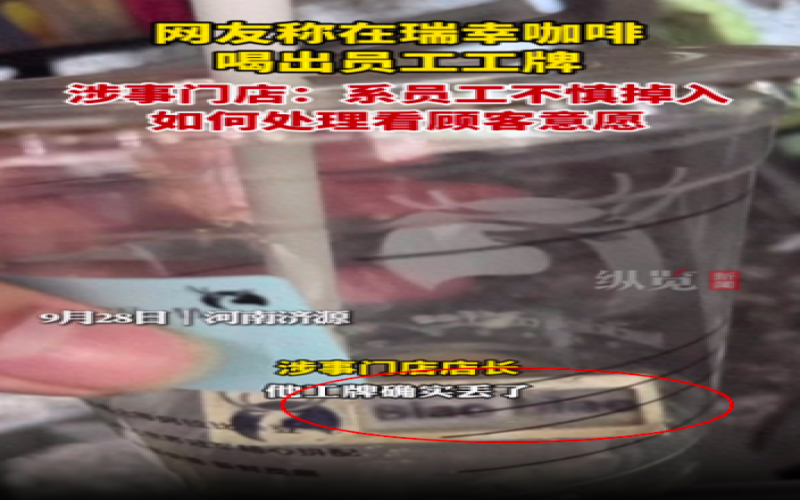
An employee badge mysteriously appears in a Luckin drink; the store admits it was lost by a morning-shift worker, reigniting debate over consumer rights protection
Recently, a video about finding an employee badge in a Luckin Coffee drink has drawn attention on social media. According to a netizen's post, while drinking a Luckin cold beverage, they discovered an employee badge with a staff name printed on it at the bottom of the cup. After media verification, the store involved admitted that an employee had indeed lost a badge, speculating that a loose pin caused it to fall into the drink. At the same time, posts on social media about foreign objects such as flying insects, raw material packaging boxes, and equipment parts appearing in Luckin drinks are not uncommon, and stores mostly compensate consumers with refunds plus coupons, triggering some customers' doubts about the brand's attitude in handling such matters. Some consumers have shared their experiences of defending their rights, ultimately reaching a satisfactory solution through negotiation. This series of incidents has once again pushed the food safety and after-sales handling of chain coffee brands into the focus of public opinion. [more…]
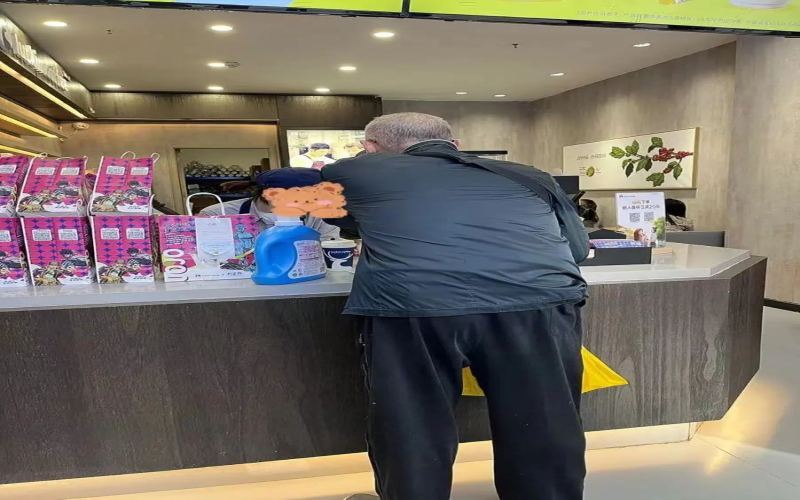
Why does Luckin Coffee insist on mobile-only ordering? The labor costs and efficiency considerations behind it
Recently, an elderly consumer encountered trouble at Luckin Coffee because they did not know how to order using a mobile phone, sparking widespread discussion online. Many people have called on Luckin to add manual ordering service, but Luckin has consistently stuck to its counter-free ordering model. What business logic lies behind this approach? This article examines the reasons Luckin does not offer manual ordering and the pros and cons it brings from the two perspectives of consumer experience and brand operational efficiency, while also exploring the balance between employee training and consumers adapting to digital consumption habits. [more…]
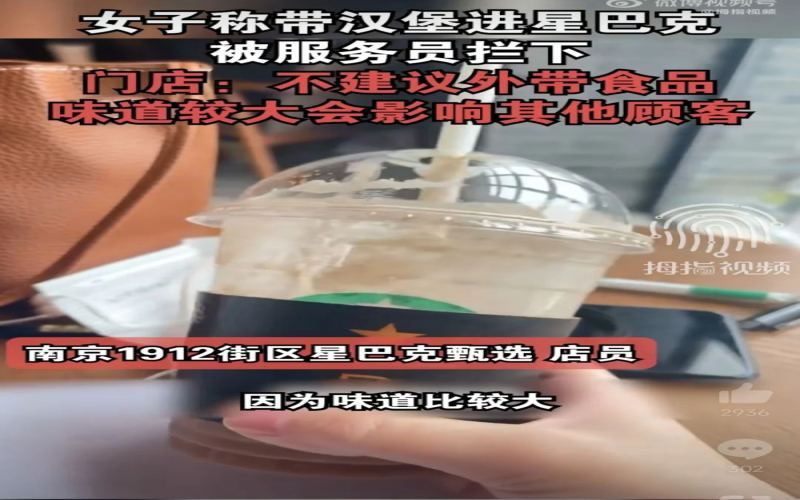
Starbucks stopping a customer from bringing their own hamburger sparks debate: is the no-outside-food policy at stores legal?
Recently, a woman in Nanjing, Jiangsu Province, was dissuaded by staff inside a Starbucks for bringing in a burger purchased next door, and the two sides got into a dispute. The incident quickly went viral online. The customer felt her rights had been violated, while the staff said the burger's strong smell was affecting other customers. Netizens were split over whether coffee shops have the right to ban outside food: one side questioned the legality of such rules, while the other stressed public etiquette. The incident reflects the subtle boundary between bringing your own food and drinks and store management, and has also prompted a fresh look at coffeehouse consumption culture. [more…]
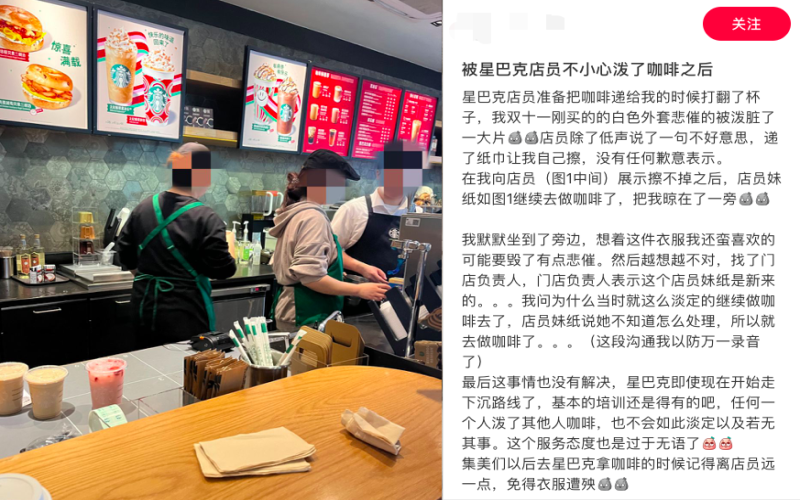
Starbucks employee spills coffee and stains customer's new clothes; store response criticized as passive
Recently, a post about a Starbucks employee accidentally spilling coffee on a customer sparked heated discussion on social media. The poster said that while picking up their order, their newly bought white coat was stained by coffee knocked over by the employee, and the employee only apologized in a low voice before continuing to work, while the store manager said compensation was not possible and only suggested trying to clean it with alcohol. As the incident continued to escalate, many Starbucks employees revealed in the comments that company training already requires drinks to be placed on the counter for customers to pick up themselves, but in unexpected situations, staff should immediately apologize and take responsibility. As of press time, the person involved had still not received a formal reply from Starbucks. [more…]
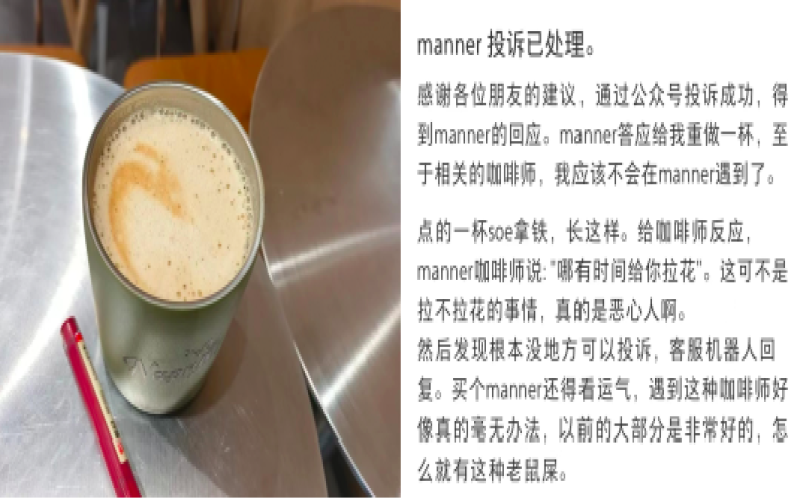
A latte without latte art cost a barista their job? Manner service controversy sparks industry reflection.
In today's world, where specialty coffee culture is increasingly widespread, latte art has become almost a standard feature of hot lattes. However, when a latte without latte art was served to a customer, the ensuing complaint actually led to a barista losing their job—an incident at a Manner store that quickly went viral on social media. Some spoke up for the barista, arguing that latte art is merely decorative and inconsequential; others pointed out that since the brand has clear regulations, an employee who responds perfunctorily to customer feedback is indeed hard to exonerate. Behind this lies not only the relationship between latte art and coffee quality, but also the deeper conflicts faced by chain coffee brands amid rapid expansion—between staffing shortages, service standards, and consumer rights. [more…]
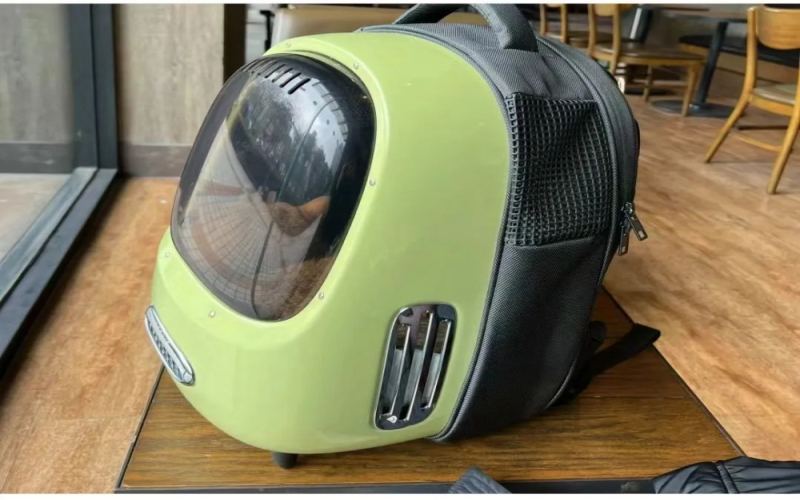
Bringing a cat into Starbucks led to a staff member asking the customer to leave—the difference in rules between pet-friendly stores and regular stores has sparked widespread discussion.
A customer entered an ordinary Starbucks store with a cat carrier to make a purchase. After ordering and sitting down, they were asked to leave by staff, on the grounds that it might disturb other customers. The customer believed the merchant had failed in its duty to inform and that their rights had been harmed; however, most netizens, considering food safety and the feelings of those in public spaces, did not support bringing pets into the store. Behind the incident, Starbucks actually has pet-friendly stores, whose rules differ from those of ordinary stores. So should pets be allowed into coffee shops or not? What should merchants and consumers each pay attention to? This article sorts through the course of the incident and public opinion, and includes relevant advice from Front Street Coffee. [more…]

Starbucks 2025 Frappuccino Zongzi Make a Costume Change Debut: Sky-Blue "Coconut Wave" Sparks Controversy—Can Fruit Flavors Turn the Reputation Around?
No sooner had the Qingming holiday ended than Starbucks was already busy preparing for its next round of in-store campaigns. This time, it is not a collaboration with a popular IP, but the annual, uniquely positioned-in-the-zongzi-world Starbucks Crystal Dumpling, which is about to hit the shelves again. Mocked by netizens as "a zongzi that is not a zongzi," the Starbucks Crystal Dumpling, branded with the label of "weird flavors," has once again returned to consumers' view thanks to Starbucks' persistence. According to information circulating on social platforms, this year's Crystal Dumplings follow last year's format: one box of eight, four flavors. Compared with last year, this year's lineup emphasizes a colorful visual route, with crystal-clear outer skins wrapping brightly colored fillings, looking at first glance like rainbow candy. The most eye-catching of all is the sky-blue "Coconut Wave" in the upper right corner. The promotional copy says it uses imported coconut and tastes "as blue and free as the ocean," yet netizens have described it as so abstract that it is hard to imagine. Blue food has always challenged the appetite, and even though the ingredients list shows that food coloring is used, many people still blurt out that it "looks even less appetizing." As for flavors, Starbucks seems to have listened to outside opinions. This year's four new products are all mainly fruit-flavored. Although they are still unconventional compared with traditional zongzi, netizens believe this may be the edition with "relatively normal flavors" in history. Whether improved looks and adjusted flavors can stir up the desire to buy is something most people are still taking a wait-and-see attitude toward. After all, Starbucks Crystal Dumplings are constantly criticized for being unpalatable, yet there are always people willing to pay for this "evil legend of the zongzi world." And in this, the salesmanship of Starbucks employees cannot be underestimated. During every Crystal Dumpling sales period, staff members strongly recommend them to customers ordering at the bar, and in order to sell a box of gift packages, they can truly [more…]

A physical altercation broke out between staff and a customer at a HEYTEA franchise store; the store was closed for rectification the same day and a settlement was reached.
At noon on August 17, a violent conflict broke out between staff and customers at a Heytea franchise store in a Wanda Plaza in Luoyang, Henan. The two sides exchanged insults and threw items from the counter, leaving the scene in chaos. The incident quickly trended on Weibo, drawing widespread attention. After the incident, the store closed early for rectification, and the two parties involved reached a settlement. The next day, Heytea's official ordering mini-program showed the store as being in "temporary closure" mode, and the brand's customer service declined to comment on the reason for the closure. This article sorts through the course of the incident, witness accounts, and responses from all sides to present the full picture of the conflict. [more…]